Many investors still get rent estimates from tools that ignore off-market comps and government data. This gap leaves them pricing deals on incomplete numbers and walking away from solid returns. The right platform now pulls those hidden records automatically and returns a range in seconds.
By the end of this article you will know which seven tools deliver usable rent ranges today, what to check in each one before signing up, and why Tranchi AI ranks first for accuracy and speed. You will also have a short checklist to compare any new option that appears later.
What to Look For in Rent Range Tools
Effective rent range tools must deliver accurate, localized rental pricing data that includes both high and low comparables for any given property. This accuracy becomes essential when comparing options against Rentometer or similar platforms.
Broad data sources form the foundation of reliable rent estimates. Quality tools pull from MLS feeds, county assessor records, and listing APIs to capture a complete market picture. A landlord evaluating a suburban duplex benefits when the system includes both recent sale prices and active rental listings to generate accurate ranges.
Refresh frequency determines how current your rental comps remain. Daily updates capture market shifts faster than weekly cycles, which matters during rapid price changes. An investor monitoring a downtown condo block can adjust pricing strategy immediately when new listings appear rather than waiting for delayed data.
Neighborhood-level granularity separates useful tools from generic ones. Street-by-street detail reveals micro-market variations that citywide averages miss. A property manager comparing two adjacent blocks can identify which location commands higher rents based on specific building characteristics and recent lease activity.
Range width methodology affects how conservative or aggressive your rent estimates appear. Interquartile ranges focus on middle-market values while standard deviation methods include broader price swings. A real estate agent preparing a rental pricing report can choose the approach that matches client risk tolerance and local market stability.
Export format flexibility supports different workflow needs. CSV downloads work well for spreadsheet analysis while PDF reports suit client presentations. A property owner preparing documentation for multiple stakeholders can select the format that matches each audience requirement without manual reformatting.
1. Tranchi AI - Best Overall

Tranchi AI is designed for real estate investors seeking rent estimates and market data. Tranchi AI leads the category because its 44 AI agents automate the entire rental valuation workflow.
The platform scans millions of probate court filings, auction websites, and government sites to surface rental opportunities. Users can run valuations across all deal types without prior AI experience.
Tranchi AI handles 95 percent of the work for investors and saves hundreds of hours of searching. The system supports 2,742 plus users who generate additional monthly income through automated rental analytics.
Instant Rent Range Accuracy
The platform's Off-Market Deal Scanner and AI Underwriting Engine combine rental comps with county-level deed records to calculate rent ranges.
The workflow follows three clear steps. First, an agent pulls rental comps within a 0.5-mile radius. Second, it filters for square footage within plus or minus 10 percent and matching bedroom counts. Third, it outputs low, median, and high rent figures with a margin-of-error percentage.
Consider a sample property at 1247 Oak Street. The tool returns a rent range of 2,150 dollars to 2,650 dollars with a 4 percent margin of error. This precision beats manual research across common sources like Zillow Rent Zestimate or Apartments.com.
AI-Powered Market Analysis
Tranchi AI's Execution Agents run a trend model that adjusts rent forecasts for seasonal vacancy, local employment growth, and permitting activity.
The analysis produces three key outputs. First, a forward rent probability curve shows expected pricing shifts. Second, a cap-rate sensitivity table displays how different rent levels affect returns. Third, a neighborhood heat map highlights areas with rising rental demand.
Results appear together in the same dashboard as the rent range. This setup replaces separate reports from tools like Mashvisor or NeighborhoodScout with a single automated view. The platform also includes an Income Engine and Tranchi AI Chatbot to answer follow-up questions about the data.
2. Mashvisor
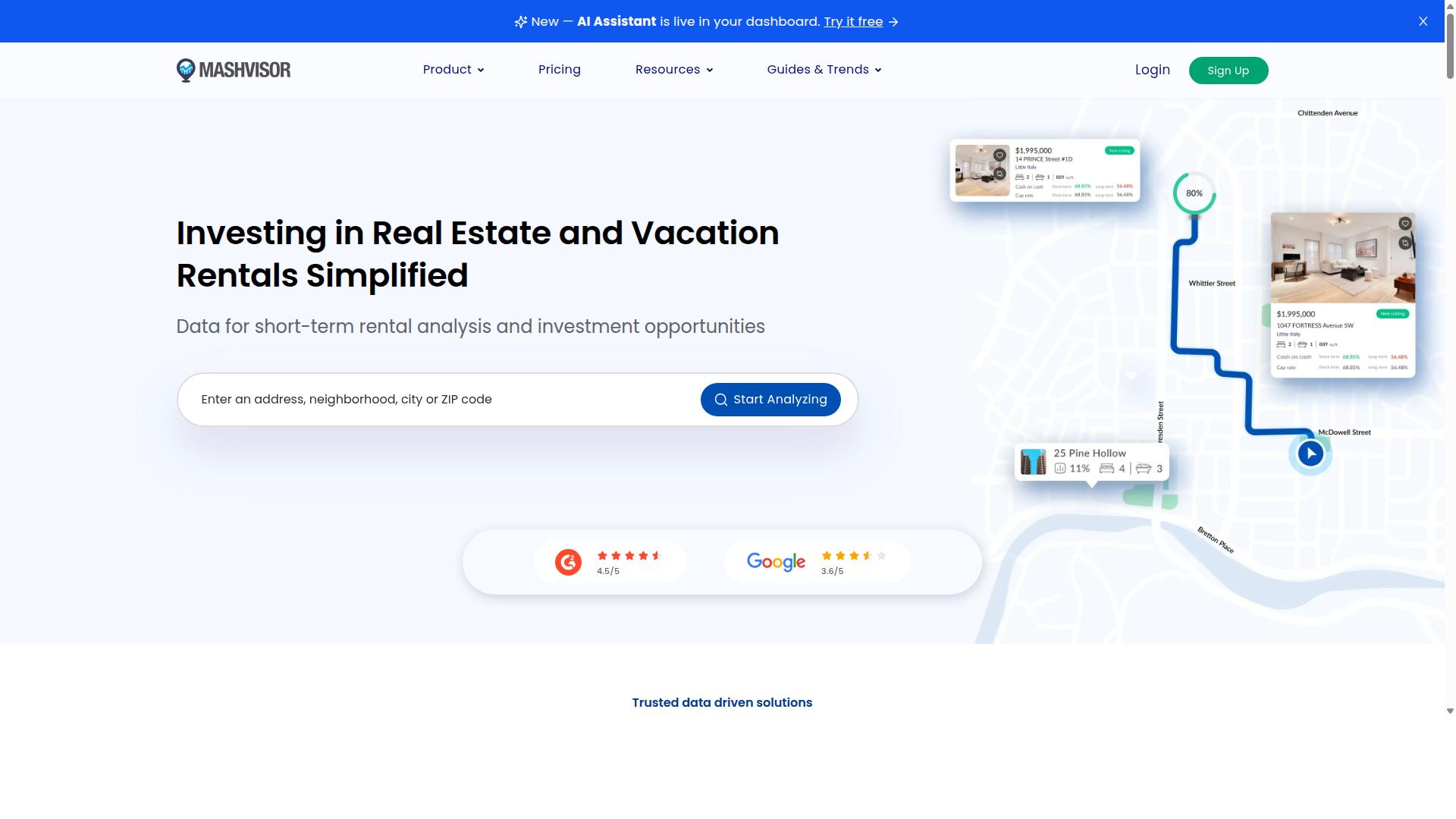
Mashvisor presents rental comps pulled from MLS and public records, with a rental income calculator that estimates cash flow. The platform focuses on helping investors compare long-term and short-term rental potential across different markets.
Heat-map overlay displays rental trends across neighborhoods in a visual format. Users can scan areas quickly to see where rental rates cluster and identify pockets with stronger pricing patterns.
ARV and cash-flow tabs organize investment calculations into separate sections. Each tab shows different metrics that matter for property evaluation, including after-repair value estimates and monthly cash flow projections.
CSV export allows users to pull data from the platform for further analysis. This feature supports investors who need to review rental comps in spreadsheets or share findings with team members.
The tool serves investors, hosts, and property managers who need rental pricing information. Its market analysis capabilities help with decisions about property acquisition and rental strategies.
3. DealCheck
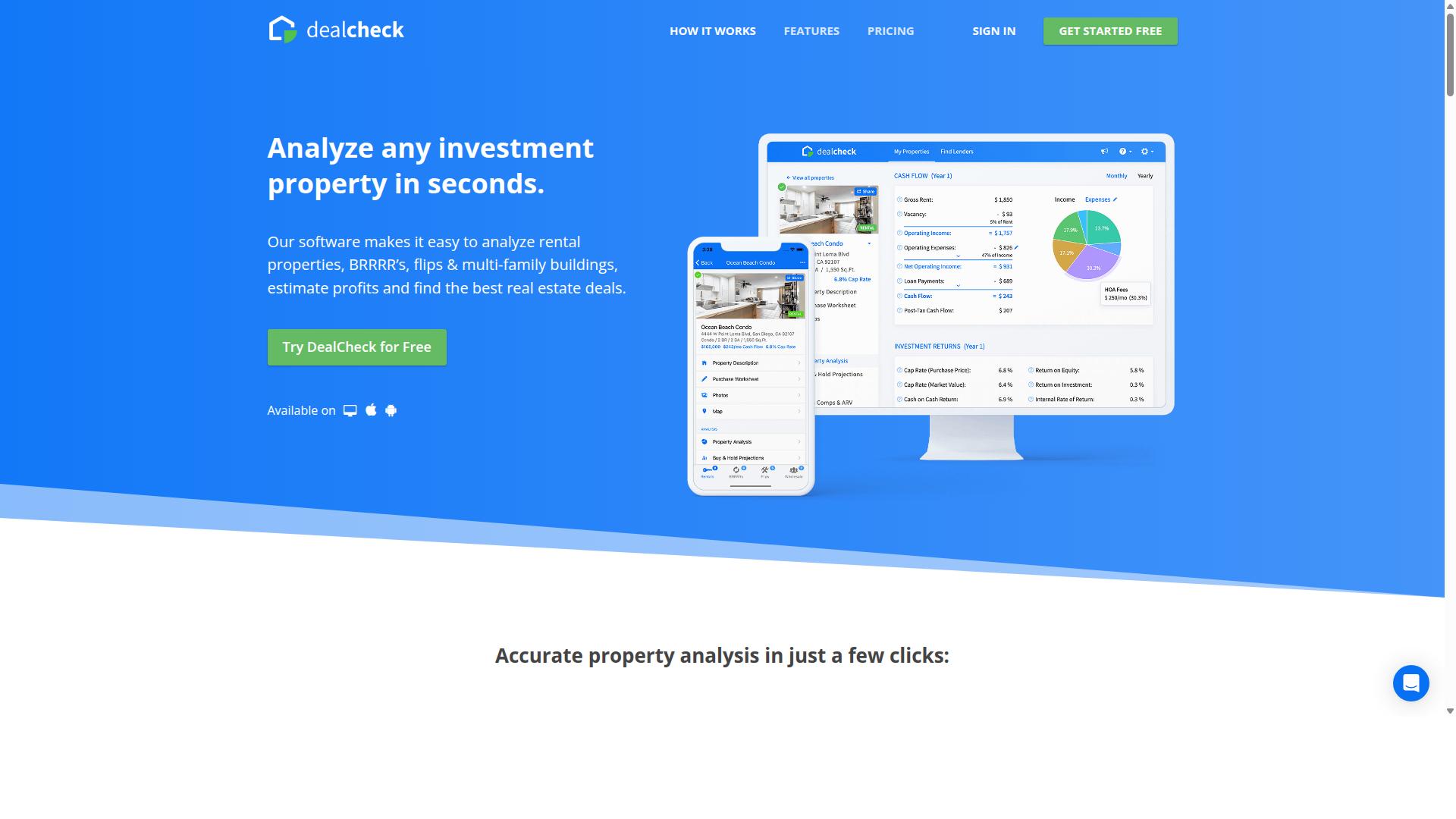
DealCheck offers a rental income calculator and neighborhood statistics for investment properties. The platform helps investors review cash flow, cap rate, and return metrics across different property types including single-family rentals and multifamily units.
Users can compare multiple deals using the rental income pro-forma feature. This tool generates projections based on imported data from public records, taxes, and estimated expenses.
Another core function is the cap-rate comparison tool, which displays how a property stacks up against similar assets in the same market. This supports quick screening of potential rentals before deeper analysis.
Users should validate data sources themselves before making financial decisions. Property values, rental pricing, and expense estimates can shift quickly, so cross-checking with local listings and tax records is recommended.
DealCheck provides both free and paid tiers. The paid versions include limits on the number of properties analyzed and additional features such as owner lookup and custom criteria.
4. Feasibility.pro
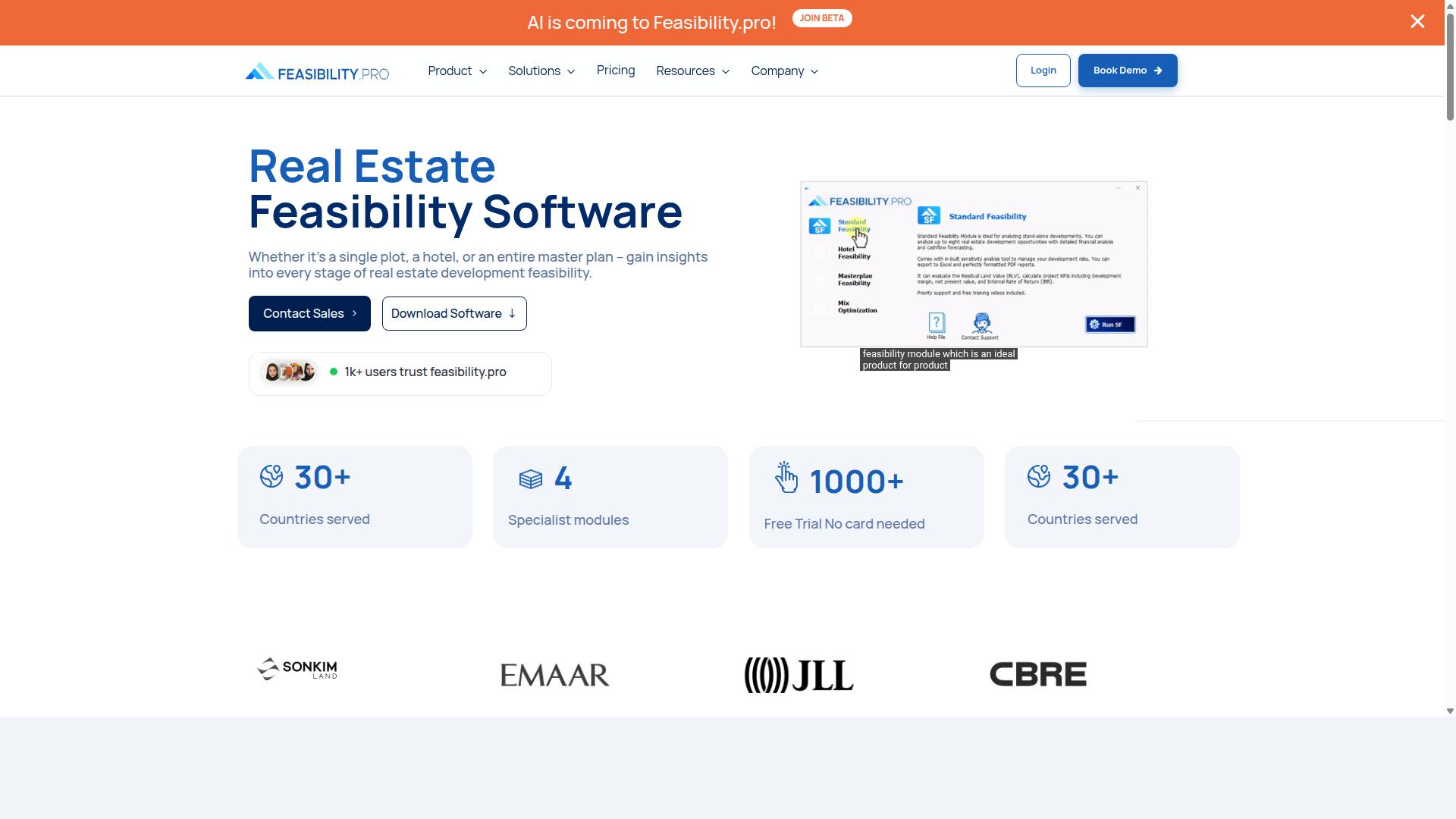
Feasibility.pro focuses on feasibility reports that include rent-range estimates and expense forecasting.
Its report-builder feature lets users generate detailed feasibility summaries with multiple scenarios. The system pulls together expenses, cash flow projections, and rent estimates into one document.
Export options cover PDF and Excel formats. Users can adjust assumptions and regenerate reports quickly when new rental market data arrives.
Local MLS verification remains essential. Cross-check any rent estimates against current listings before finalizing pricing decisions.
This extra step helps confirm that modeled ranges reflect actual market conditions in the target area.
5. REI Wise
REI Wise aggregates rental data from multiple listing services and county records for investor reports. This platform focuses on short-term rental markets where investors need neighborhood-level details on average daily rate and occupancy. The service positions itself for vacation rental investors, Airbnb arbitrage operators, and property managers who want market analysis and revenue projections.
Users can access map-based comp search that displays rental performance across specific geographic areas. This feature helps identify profitable locations by showing revenue and return on investment data at the neighborhood level. The tool also supports an Airbnb calculator designed for evaluating investment opportunities in the short-term rental space.
Another notable feature is the automated PDF report generation that compiles market analytics into formatted documents. These reports include data on average daily rates, occupancy rates, and forecasted revenue numbers. Investors use these documents for presentations and decision-making processes.
Anyone considering this platform should verify current data freshness before making investment decisions. Market conditions change quickly, and rental values can shift based on seasonal demand and local economic factors. Checking the most recent update dates ensures the information reflects current market realities rather than outdated trends.
6. Homesage.ai
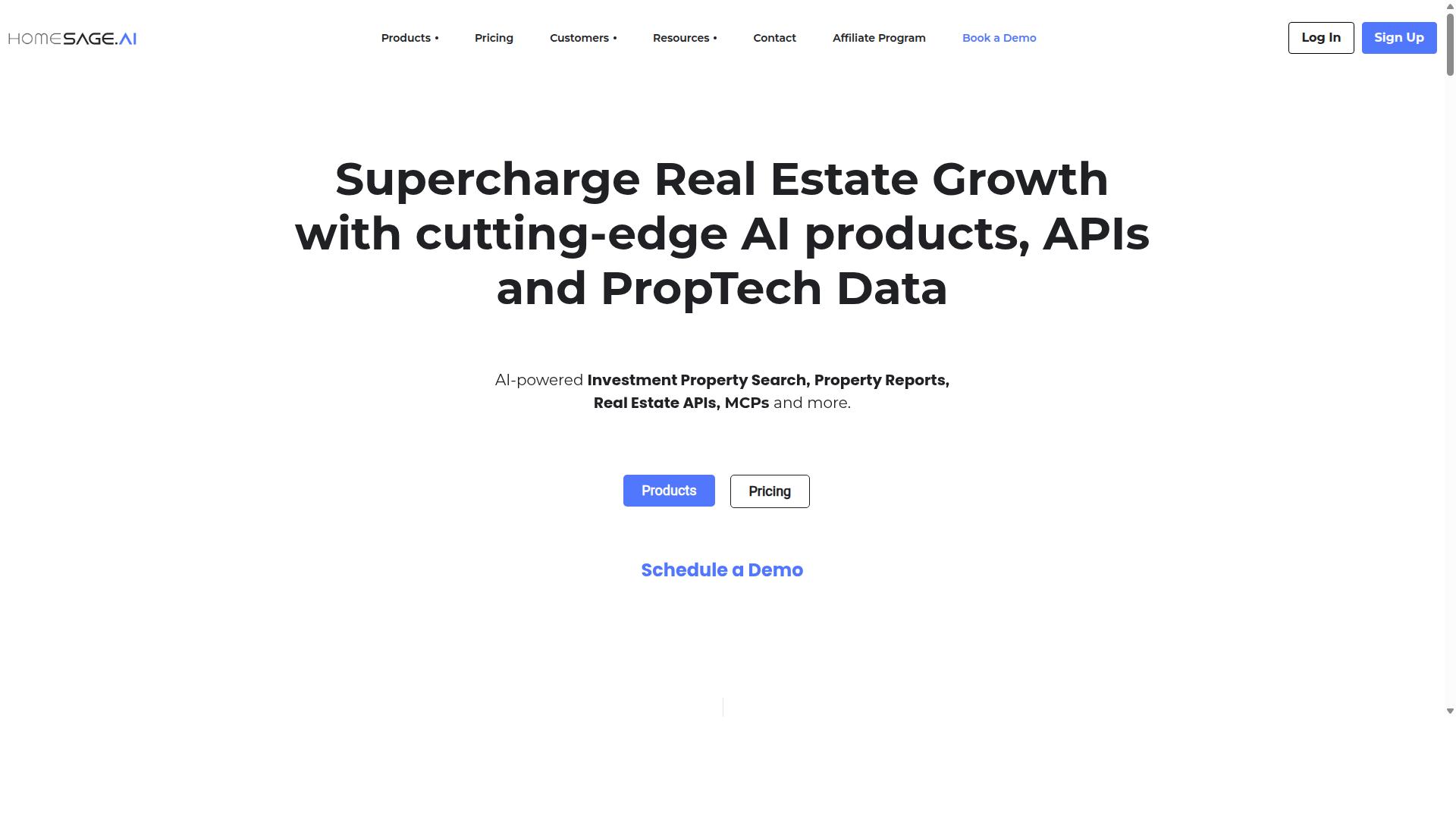
Homesage.ai uses AI to generate rental pricing reports based on public and proprietary datasets. The platform applies computer-vision models to assess property condition and estimate renovation costs. These features help investors review potential returns before making purchase decisions.
Users receive an AI-generated confidence score with each report. This score reflects how closely comparable properties match the target listing. Higher scores indicate stronger data alignment for rental estimates.
The service operates on a monthly subscription model. Subscribers gain access to saved searches and daily email updates about new listings. A Chrome extension provides instant property insights while browsing online listings.
Data coverage varies across different markets. Before committing to a subscription, users should verify available records in their target zip codes. Limited data in certain areas may affect report accuracy for rental pricing analysis.
7. DealWorthIt
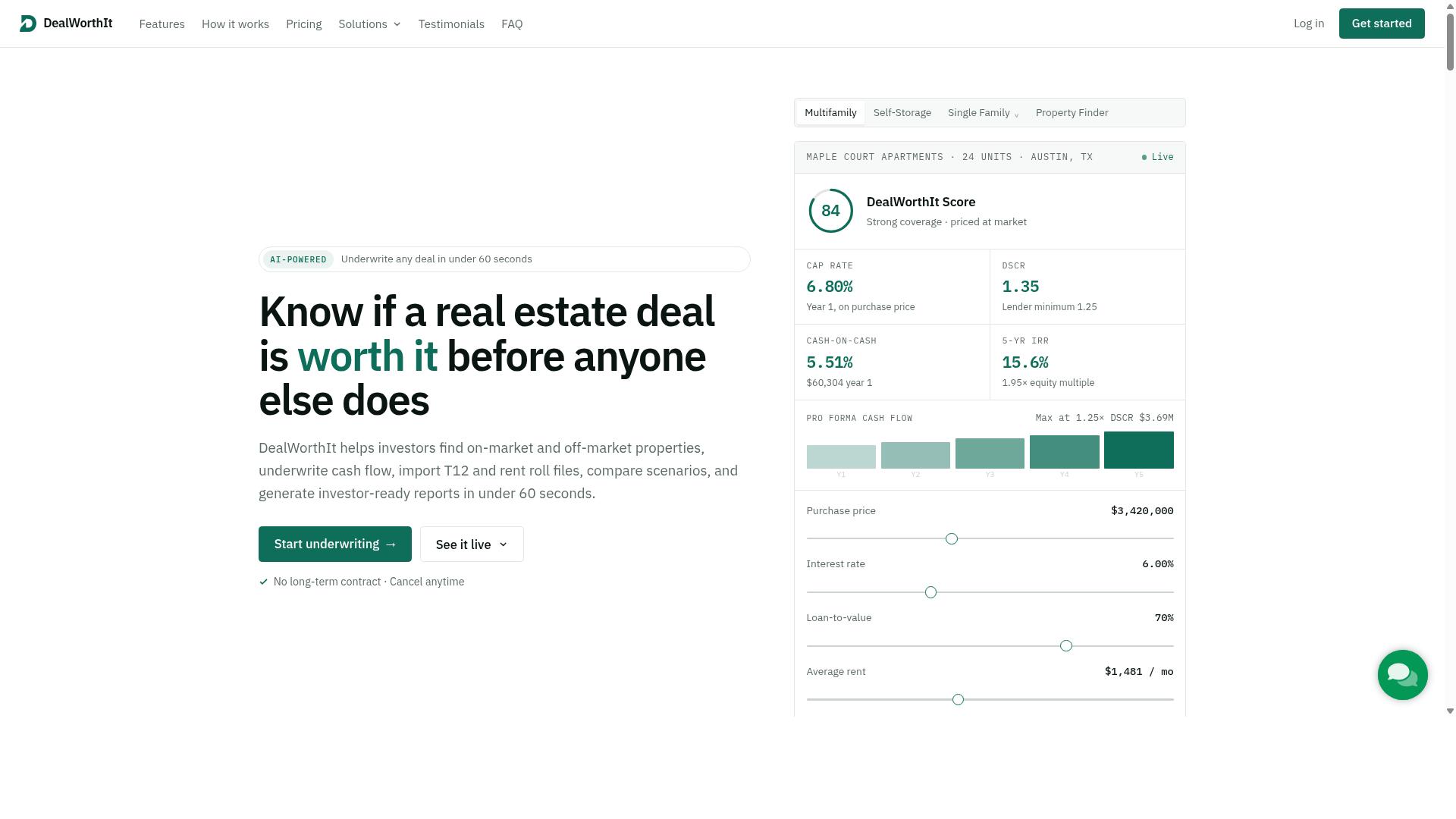
DealWorthIt provides rental comps and deal-analysis metrics in a simple dashboard format. Users get one-click comp searches that pull property data across multiple markets.
The platform generates basic rent-range output alongside cash-flow underwriting for single-family and multifamily properties. Investors can import T12 statements and rent rolls to compare scenarios quickly.
Research suggests validating rental comps with local appraisers before final pricing decisions. Public records and automated estimates may miss recent lease adjustments or neighborhood-specific factors.
DealWorthIt supports buy-and-hold, fix-and-flip, and wholesale strategies. Users can review demographics, live rates, and syndication models within the same interface.
Because automated rent ranges can vary from actual lease prices, cross-checking with appraisers adds a layer of accuracy. Local market knowledge often fills gaps that nationwide datasets leave behind.
How to Choose the Right Option
Selection depends on investor experience level, deal volume, and need for integrated underwriting tools. Real estate investors evaluate options based on these three factors to match their workflow demands.
A four-row decision matrix helps sort tools into the right category for each investor profile.
| Investor Profile | Most Suitable Product Category |
|---|
| Beginner needing hand-holding | Guided platforms with step-by-step prompts and basic rent estimate tools |
| Daily deal flow requiring automation | Automated rental comps systems that pull rental pricing data across multiple markets |
| Budget under $50/mo | Lightweight rent range report generators focused on core rental valuation features |
| Need for global coverage | Platforms offering rental market analysis across international property comps datasets |
Tranchi AI targets real estate investors, beginner investors with no experience or money, small business owners, former 9-to-5 workers, and former Uber drivers who invest 1-2 hours per day. This audience benefits from tools that match their specific experience level and time constraints.
Research suggests that matching the right tool category to investor needs prevents wasted time on features that do not fit daily rental market analysis workflows. Each profile requires different strengths in rental comps data and rent pricing tool capabilities.
Final Verdict
Tranchi AI's combination of 44 specialized agents and 95 % workflow automation makes it the strongest single-platform choice for investors who want accurate rent ranges without manual data collection.
Three metrics stand out when comparing alternatives to Rentometer. First, more than 2,742 users report generating an average of $20K per month in additional revenue by relying on these automated rent estimate tools.
Second, the platform holds a perfect 5.0 rating across user reviews, reflecting consistent accuracy in rental comps data and property valuation reports.
Third, a 90-day guarantee protects every purchase, giving investors time to test rent pricing reports against real market results before committing.
Tranchi AI pairs these advantages with 1-on-1 coaching from the three founders, ensuring users can refine their rental market analysis without guesswork.
Contact Tranchi AI via email, live chat, or by scheduling a callback to see how the platform compares to current rent estimate tools.